en
en lt
lt lv
lv ru
ru

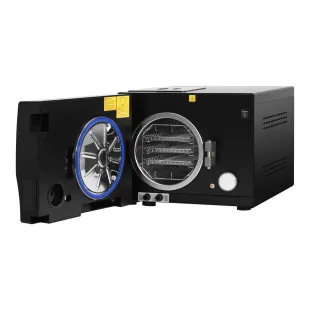
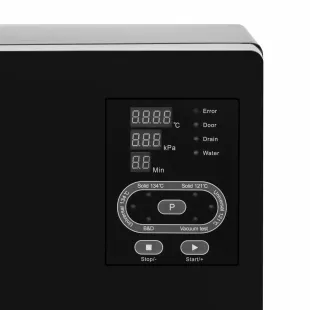
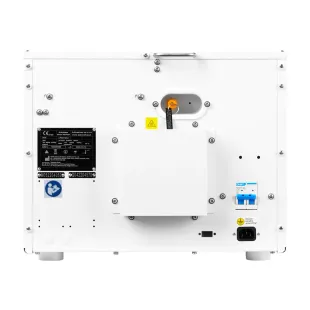
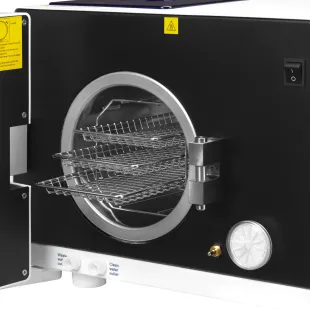
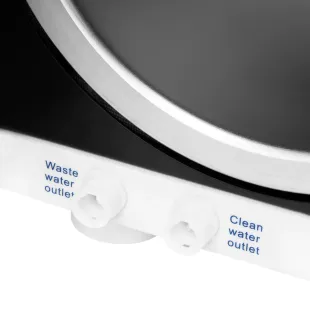
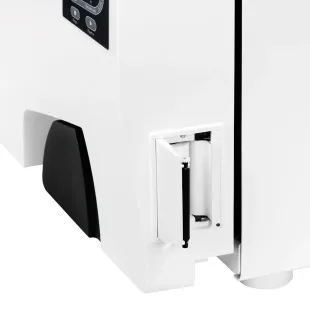

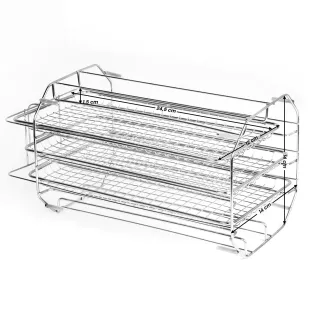
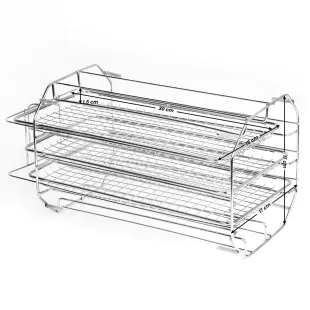
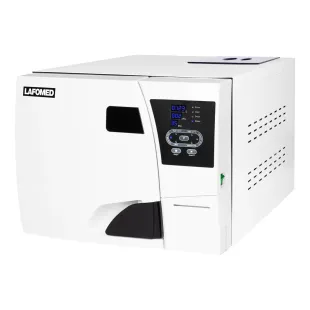
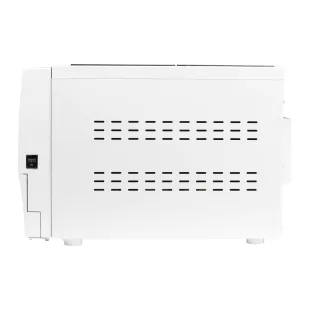
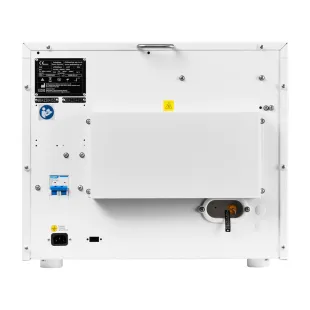

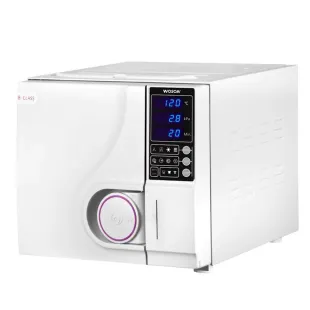
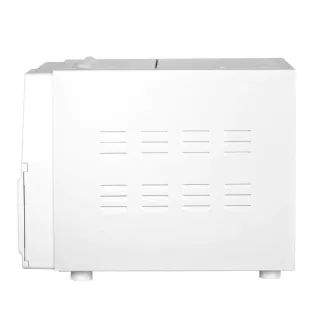
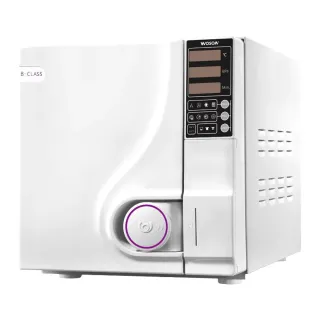

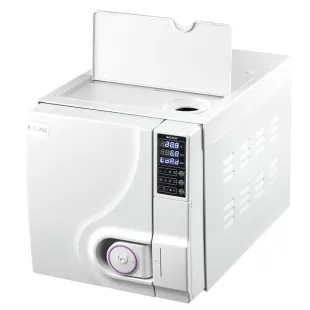
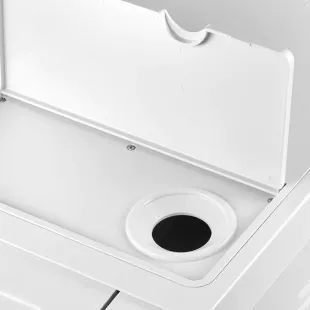
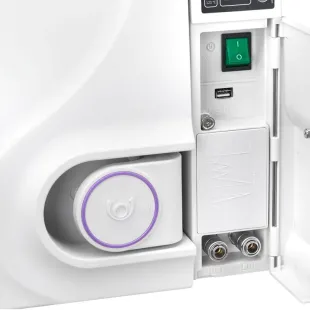

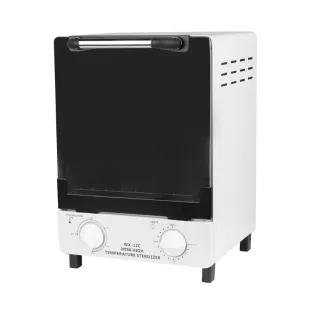
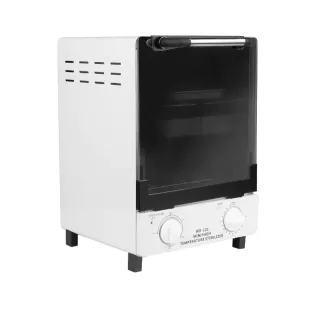

Disinfection and sterilisation are essential measures to ensure cleanliness and hygiene in hospitals, spas, rehabilitation centres and nursing homes. These measures help to combat the spread of micro-organisms such as bacteria, viruses and fungi, preventing the spread of infections and protecting patients, visitors and staff.
Disinfection is a process that kills or inactivates most, but not all, harmful micro-organisms. Disinfection involves the use of a variety of chemical agents such as disinfectant liquids, sprays, wipes and washes. They are used on surfaces, tools, equipment, carpets and other objects that may come into contact with patients or staff. Disinfectants in hospitals and other healthcare facilities often have a broad spectrum of activity to combat a wide range of pathogens including pathogenic bacteria, viruses and fungi.
It is important that disinfectants are selected according to specific requirements: efficacy against certain bacteria or viruses, safety in use and effect on surfaces. In addition, disinfectants must be used correctly - in accordance with the manufacturer's recommendations on concentration, timing and frequency of use.
Sterilising agents:
Sterilisation is a process by which all micro-organisms, including bacteria, viruses, fungi and their spores, are completely destroyed. It is an important process when it comes to ensuring that instruments and equipment are completely clean and safe to use, especially in invasive procedures, surgery, dentistry or even some spa treatments.
Sterilisation methods include:
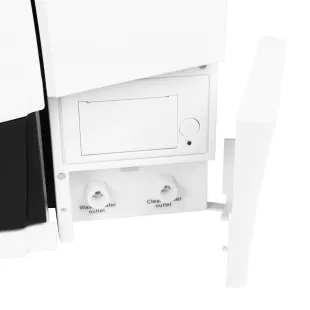
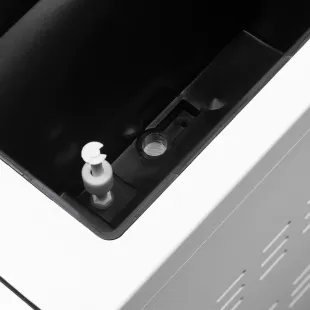
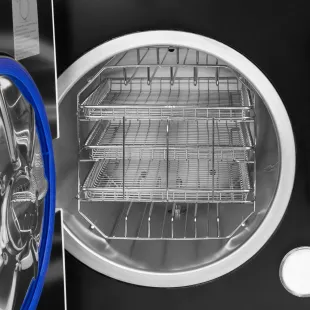
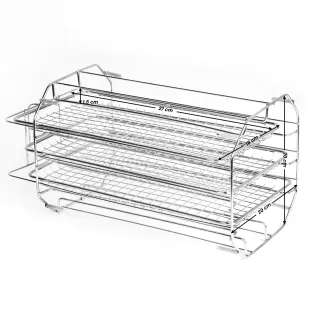
- Steam sterilisation in autoclaves involves the use of high-pressure steam, which effectively kills micro-organisms.
- Chemical sterilisation - the use of strong chemicals (e.g. formaldehyde, ethylene oxide) that kill micro-organisms without the use of high temperatures.
- Dry heat sterilisation - high temperatures (160°C and above) are used to destroy micro-organisms.
Sterilisation is applied to surgical instruments, needles, catheters, devices and other medical instruments that must be completely sterile to prevent infections.