en
 lt
 lv
 ru

Where to Start?
Before purchasing equipment, it’s important to consider your goal: to strengthen muscles, improve balance, maintain joint mobility, reduce certain types of pain, or make walking easier. Also consider the person’s physical abilities, the available space at home, and whether the equipment can be used safely on their own. After surgery, an injury, or a serious illness, a physical therapist or doctor can recommend the most appropriate equipment.
What kinds of equipment can be useful at home?
- Exercise balls—can be used to improve core stability, posture, and coordination. It’s important to choose the right size and ensure safe use.
- Elastic bands and resistance bands—help with exercises to strengthen the muscles of the arms, shoulders, and legs. Resistance should be selected based on physical ability and a specialist’s recommendations.
- Balance platforms and cushions—designed for balance and body control exercises. If a person has poor balance or is at high risk of falling, consultation with a specialist and appropriate support are essential.
- Massage rollers and balls—can complement an exercise routine and help ensure muscle comfort. They are not a substitute for therapeutic exercises, and their use following an acute injury should be discussed with a specialist.
- TENS electrostimulators—in certain cases, they can temporarily relieve pain, but they are not suitable for all conditions and are not a substitute for medical treatment. It is important to read the instructions before use, and if you have an implanted medical device, consult a specialist.
- Exercise bikes—allow you to perform arm or leg movements while seated and can help maintain physical activity. When choosing one, check the bike’s stability and resistance adjustment options.
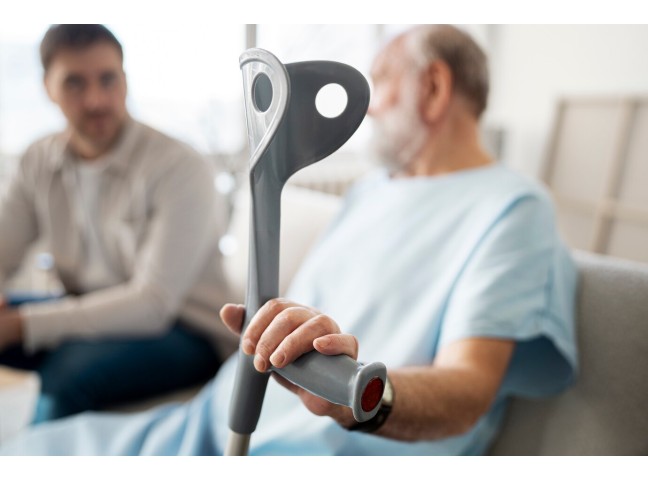
- Walking aids—such as canes, crutches, or walkers—can provide additional support and make it easier to move around. The aid must be the correct height and adapted to the person’s physical abilities and home environment.
What should you look for before buying?
When selecting available devices, consider their purpose, size, stability, maximum weight capacity, adjustability, and ease of maintenance. Think about where the equipment will be stored and whether it will be convenient to use on a daily basis. To start with, one or two pieces of equipment designed for a specific purpose are often sufficient—having more doesn’t automatically mean better results.
Safety and Common Mistakes
Avoid choosing equipment solely based on its popularity, starting with an excessive physical workload, or expecting quick results. Exercises should be tailored to your abilities, and your home space should be safe: remove obstacles, ensure a non-slip surface, and, if necessary, use a stable support. If you experience severe or unusual pain, dizziness, or significant weakness during exercise, stop the exercise immediately.
The right equipment starts with individual needs
Rehabilitation aids for home use can help you consistently continue the exercises recommended by specialists and maintain your daily activity level. It’s worth browsing the Rehastar selection to find a solution tailored to your specific goal—from simple exercise equipment to mobility aids. The most important thing is to choose equipment that suits your individual condition, use it safely and regularly, and consult a healthcare professional if you have any doubts.
Do you have any questions?
If you have any questions, please contact the staff at the Rehastar.com online store by phone on weekdays from 8:00 a.m. to 5:00 p.m. or by email at any time, and we will do our best to respond as quickly as possible.
Email: info@rehastar.com
Phone: +370 626 11553