en
 lt
 lv
 ru

Why Does the Risk of Falls Increase?
Falls can be caused by a variety of factors. Some are related to a person’s health and physical condition, while others are related to the environment in which they live.
- Weakened leg muscles and impaired balance.
- Vision problems.
- Inappropriate or slippery footwear.
- Slippery floors, loose rugs, and various obstacles in the home.
- Insufficient lighting.
- Medications that cause dizziness or weakness.
- Rushing and standing up suddenly after sitting or lying down for a long time.
To reduce the likelihood of falls, it is important not only to improve physical fitness but also to eliminate hazards in the daily environment.
1. Adapt your home environment for safer movement:
- Remove obstacles from the floor—cords, boxes, unnecessary items, and other objects that could cause you to trip.
- Secure or remove small rugs that might slip or curl up.
- Ensure good lighting in hallways, near stairs, and in the bathroom. Motion-sensor lights can be helpful at night.
- Use non-slip mats in the bathroom and shower, and install sturdy grab bars near the shower, bathtub, and toilet.
- If it’s difficult to stand for long periods, use a special shower chair or bath bench.
- Make sure you have sturdy handrails on the stairs.
- Keep frequently used items within easy reach so you don’t have to climb on chairs or step stools.
2. Choose the right footwear and comfortable clothing
- Inappropriate footwear can increase the likelihood of slipping or losing your balance.
- At home, it is recommended to wear closed-toe shoes that provide stable support for your feet and have non-slip soles. Avoid walking in just socks or wearing loose slippers without a heel.
- It’s also important to choose comfortable clothing. Pants that are too long, robes, or loose clothing belts can get caught on furniture or other objects and cause a fall.
3. Strengthen Your Muscles and Improve Your Balance
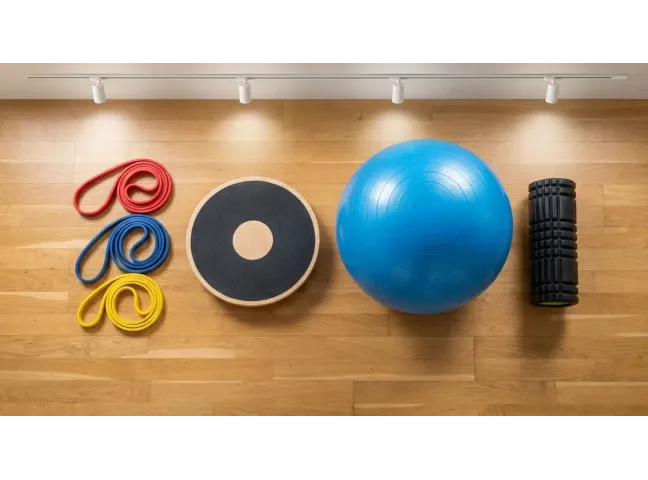
Regular physical activity is one of the most important measures for preventing falls. Stronger leg and hip muscles, along with better coordination and balance, help you walk more steadily and perform daily movements more easily.
- Sitting down and standing up from a chair. Helps strengthen the leg and hip muscles.
- Standing on one leg. Improves balance. Perform this exercise next to a stable support.
- Walking in a straight line. Helps improve coordination.
- Side-to-side stepping. Strengthens the hip muscles and improves movement control.
- Calf stretches. Helps maintain leg flexibility.
Start with a light workload and perform the exercises according to your physical abilities. If your balance is severely impaired, it is recommended to exercise under the supervision of a specialist.
4. Use mobility aids
If you feel unsteady while walking, have difficulty maintaining your balance, or need additional support, you should consider using mobility aids:
- Walking canes—provide extra support and help you move more steadily.
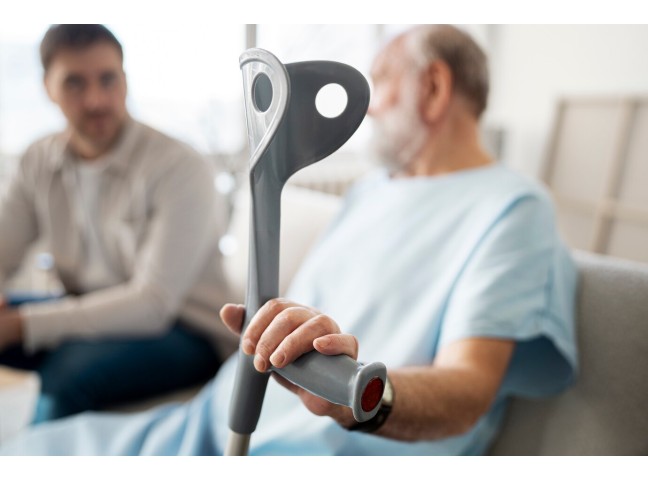
- Crutches—help reduce the load on one or both legs and provide additional support.
- Walkers – provide greater stability while walking, and models with a seat allow you to rest when you get tired.
It is very important to choose a device of the appropriate height and design that matches the person’s height, physical abilities, and mobility needs.
When using a walker with brakes, be sure to engage them before sitting down. When getting up from a bed or chair, lean against a stable part of the bed or chair rather than pulling yourself up by the walker, as it may tip over.
5. Ensure Safety in the Bathroom and Toilet
The bathroom is one of the most hazardous places in the home due to wet and slippery surfaces. Getting into the bathtub, standing up from the toilet, or bathing can be challenging, especially for those with mobility difficulties.
The following can make daily life easier:
- Shower stools that allow you to wash while seated.
- Bath benches and steps that make it easier to safely get into the bathtub.
- Grab bars that provide additional stability.
- Riser toilet seats, which make it easier to sit down and stand up.
- Bedpan chairs, especially when it’s difficult or unsafe to rush to the bathroom at night.
6. Don’t Forget Your Daily Safety Habits
Even in a safe environment, it’s important to develop proper movement habits.
- When getting out of bed or out of a chair, don’t rush. First, sit for a few seconds, then stand up slowly.
- Before you start walking, make sure you don’t feel dizzy or weak.
- Wipe up any spills on the floor immediately.
- If medications prescribed by your doctor cause dizziness or weakness, talk to your doctor.
- Use the assistive devices prescribed for all daily activities that require additional support.
7. What to Do If You Fall?
If you fall, the most important thing is not to panic and not to rush to get up. First, assess how you’re feeling and make sure you haven’t suffered a serious injury.
If you’re in severe pain, suspect a fracture, or have suffered a head injury, do not try to stand up on your own—call 112 for help.
If there are no serious injuries and you can move safely, you can get up gradually by using a stable piece of furniture or another sturdy support. First, roll onto your side, carefully get into a hands-and-knees position, move toward a stable piece of furniture, and, if you can, use it to gradually stand up. Once you’re sitting or standing, take some time to rest.
If you are unable to get up, try to reach your phone and call for help. If it’s cold, try to cover yourself with a blanket or another easily accessible piece of fabric. Be sure to inform your loved ones and your doctor about the fall.
A safer daily life starts with small decisions
The most important thing is to identify potential hazards in a timely manner and choose solutions that help you move with greater confidence. Properly selected walking aids, bathroom aids, and daily care products can help you maintain your independence, self-confidence, and a better quality of life.
Do you have any questions?
If you have any questions, please contact the staff at the Rehastar.com online store by phone on weekdays from 8:00 AM to 5:00 PM or by email at any time, and we’ll do our best to respond as soon as possible.
Email: info@rehastar.com
Phone: +370 626 11553